
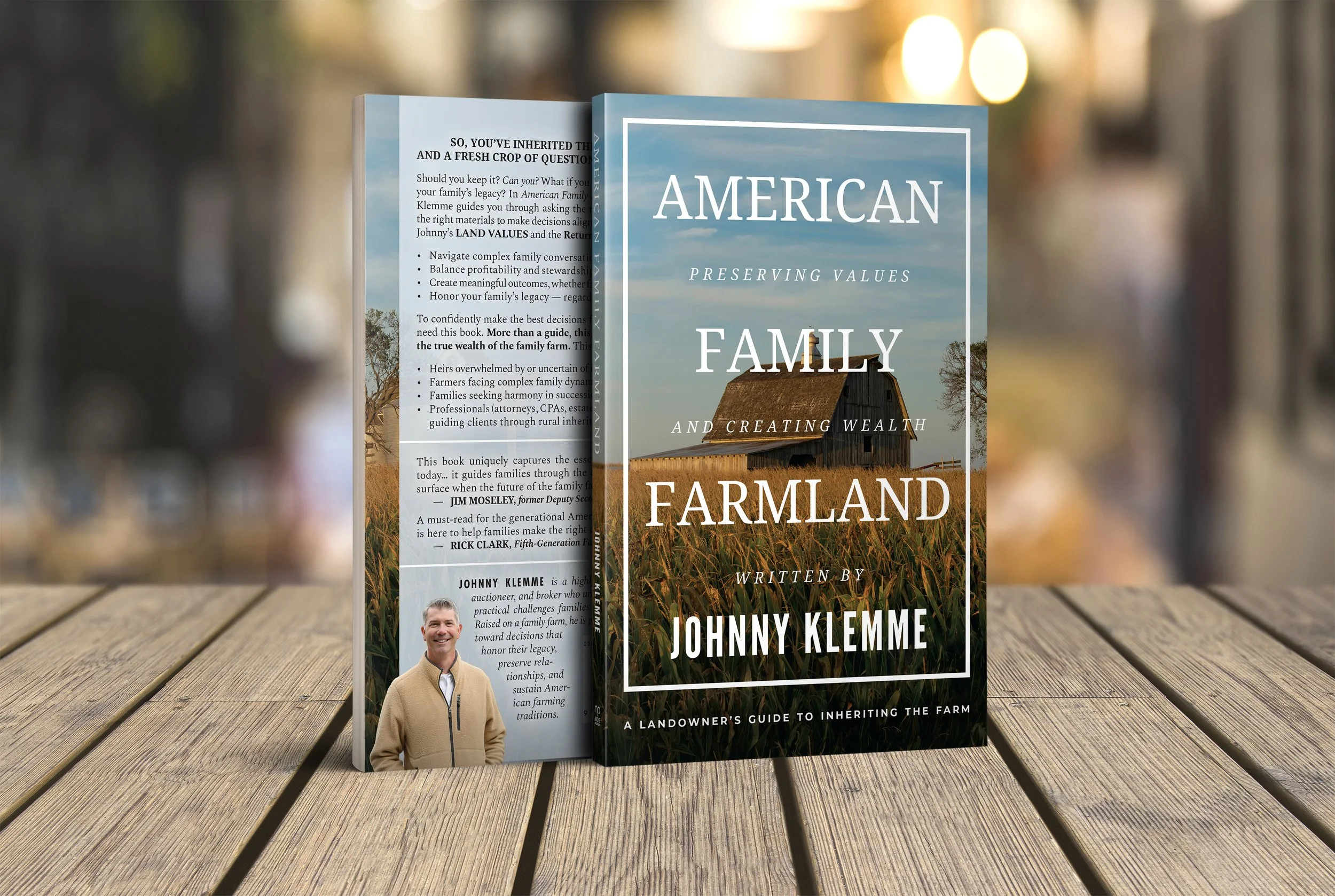
More than Corn is proud to partner with the LAND VALUES Journal and Geswein Farm & Land to present this special free screening of Hawkins Family Farm: A More Than Corn Story along with a special message from the author of American Family Farmland, Johnny Klemme.
To watch for free, enter the promo code provided in the LAND VALUES Journal when prompted for payment or click the button below to have it applied automatically.
Hawkins Family Farm
A More Than Corn Story
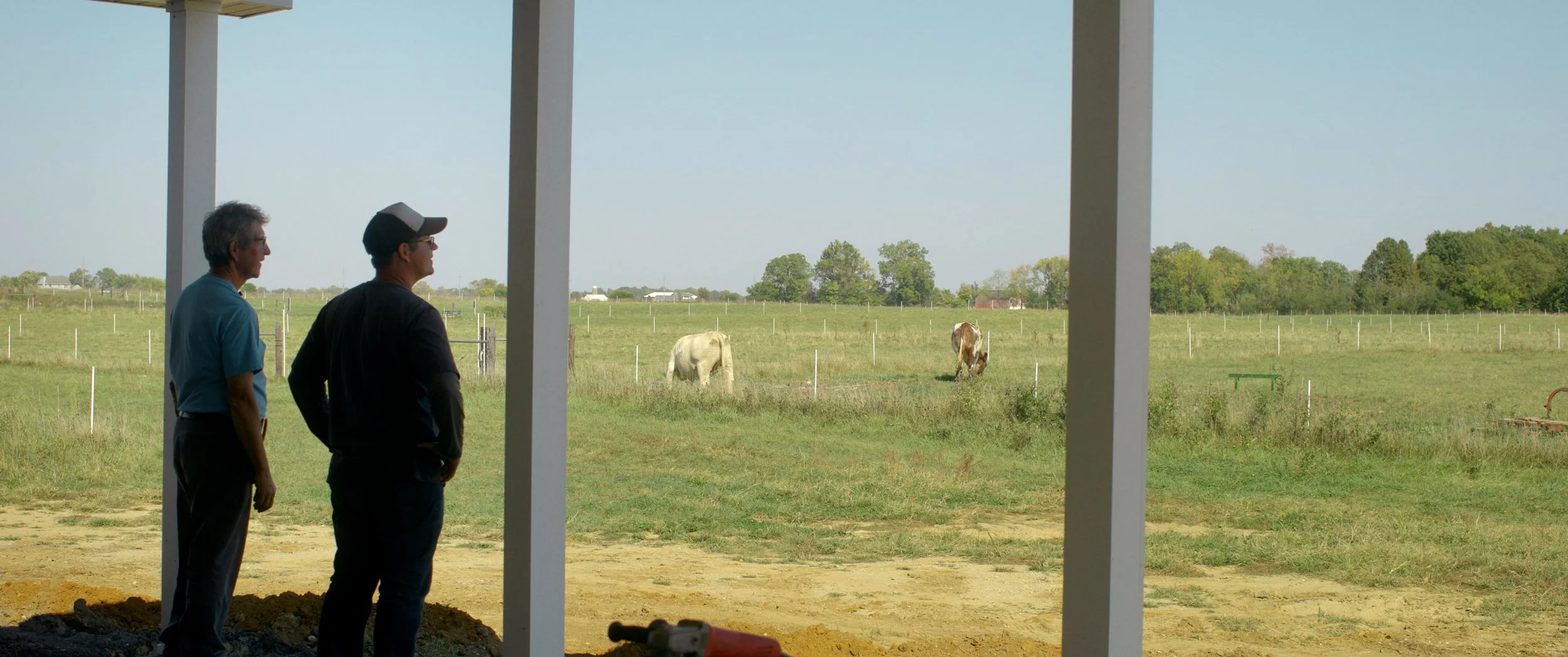
Hawkins Family Farm: A More Than Corn Story is a heartfelt exploration of family, community, and the deep connection between land and legacy, featuring father and son duo Jeff and Zach Hawkins of Hawkins Family Farm in North Manchester, Indiana.
Following a sudden decision to leave college and return to the family farm full-time, Zach Hawkins takes over the management of the gardens while his father, Jeff, narrows his focus on the livestock. While the farm thrives under this welcome family dynamic, Jeff grapples with his own legacy and his desire to be a “good ancestor,” determined that his contributions to the land will not only ensure his family’s success but also honor the earth and its inhabitants for years to come.


Join our email list to stay on top of Indiana Food & Farming news, events, and behind the scenes updates on upcoming More Than Corn Stories.
Becoming a Good Ancestor
What Hawkins Family Farm Teaches Us About Succession and the Future of
Family Land
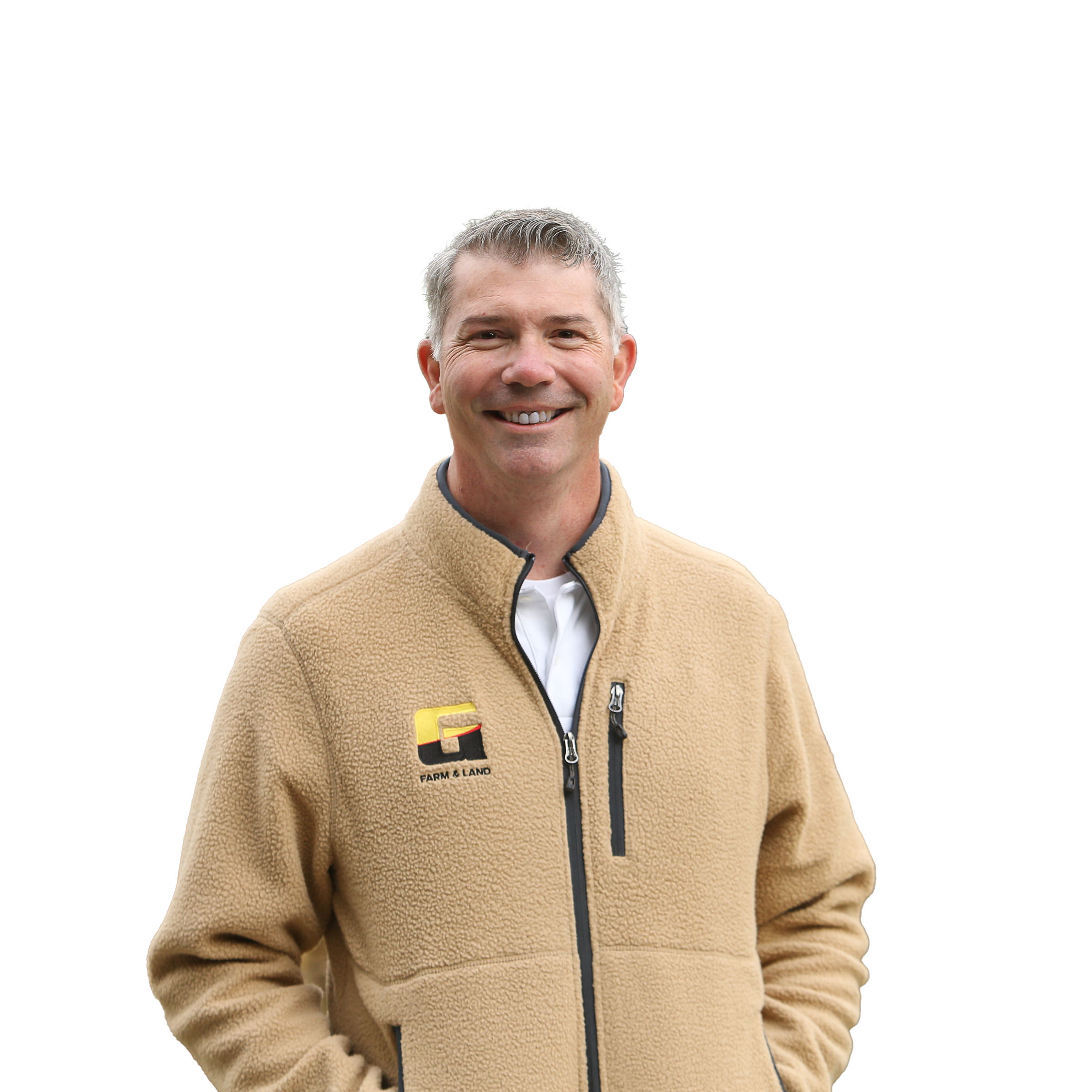
As the author of American Family Farmland, I’m often drawn to stories that put real faces around the questions farm families quietly carry: What does legacy mean? How do we prepare the next generation well? And what does it look like to be a good ancestor?
What I first noticed is that the Hawkins Family Farm doesn’t look like every operation represented in our readership. Their mix of vegetables, pasture-based livestock, and direct-to-consumer marketing may differ from the corn, soybeans, or row-crop acres many of you or your tenant’s farm. That’s okay. We’re highlighting this story not because of the specific enterprises they run, but because of the way they think and talk about succession, responsibility, stewardship, and being “good ancestors” on their land. Those themes apply whether your farm grows corn and beans, includes livestock, or is rented to a neighboring farmer.
A message from Johnny Klemme
Co-Owner & Advisor/Broker,
Geswein Farm & Land Realty
Author, American Family Farmland
Early in the documentary, Jeff Hawkins says something that captures the heart of the film: “What does it mean to be a good ancestor is a question I live with.” He also says, “Part of my job description is to be a good ancestor.” That line matters because it moves legacy beyond sentiment. It turns it into responsibility.
That is one reason this story stood out to me. In my consulting work with farm families, I see these same questions surface again and again. The operations may differ, but the deeper concerns are often the same: trust, timing, communication, stewardship, and whether the next generation will be prepared not just to inherit land, but to lead well. The Hawkins family offers a healthy picture of succession as a living process, not a one-time event. Jeff says, “This farm has evolved. That’s in keeping with what nature does. Nature works by succession.” That may be one of the simplest and most insightful lines in the film. Succession is not a disruption of the farm’s story. In many ways, it is part of the farm’s natural story.
Too often, though, succession planning is delayed until it becomes urgent. Jeff reflects on older farmers who never really let go, and then “when they die, it’s a mess.” I see that often in my own work. Many families care deeply about the land and about each other, but they postpone the harder conversations until age, health, or family tension forces decisions that could have been handled more clearly years earlier. One of the strongest themes in the documentary is trust. Jeff says candidly, “From my observation, it’s usually the old guy that’s the problem in large part because of an unwillingness to trust the next generation, unwillingness to let go.” It is a blunt line, but an honest one. In many family transitions, the issue is not whether the next generation is capable. The issue is whether the current generation is ready to share leadership, trust new ideas, and make room for change.
Jeff then offers the better path: “For me and Zach, by and large, the most important thing is I trust him and I respect him. He’s a smart guy. He’s a caring guy, and he pours himself into his work, into this farm. It matters to him. I expect to learn from Zach.” That is what healthy transition looks like. The older generation stays engaged, but it also makes room for the younger generation’s strengths, ideas, and growth. That principle reaches far beyond the Hawkins family’s specific farm model. The crops and enterprises may change from farm to farm, but the questions are often the same: Who is this land for? What do we owe each other? How do we put our intentions into words and plans so the next generation is not left guessing?
That is where the LAND VALUES Framework connects naturally to this story. In American Family Farmland, I encourage families to look beyond a single definition of value. Farmland certainly has economic value. But it also carries emotional value, stewardship value, and what I call Life and Purpose Value. In other words, the deeper question is not only, What is this farm worth? It is also, What kind of life is this farm helping us build?
In my experience, families often get stuck because they are talking only about acres, rent, ownership percentages, or tax outcomes while avoiding the deeper questions underneath. The LAND VALUES Framework helps bring those issues into the open so families can move from assumption to clarity.
The Hawkins family shows what that can look like in practice. Jeff says, “Part of my what’s it mean to be a good ancestor is to lay good plans for the future.” That sentence forms a strong bridge between inspiration and action. Being a good ancestor is not just about caring deeply. It is about making thoughtful decisions while you still can.
That is why this documentary belongs in this section of LAND VALUES Journal. Even if your operation looks very different from Hawkins Family Farm, the core message still applies. The details may change. The enterprises may differ. But the call to become a good ancestor — through wise planning, shared trust, and intentional stewardship — reaches across almost every kind of farm.
In the end, that may be the real question this film leaves with all of us:
Not simply who gets the land next.
But whether we are doing the work now to leave that next generation something better than uncertainty.